Woodworm is the name commonly given to damage caused by the larvae of wood-boring beetles. The insects can affect structural timber, floorboards, roof timbers, furniture and other wooden items, but old holes do not always mean an infestation is still active.
Correct identification matters before treatment begins. Fresh dust, new exit holes, live beetles and the condition of the timber can help show whether activity is current and what action is suitable.
What Is Woodworm?
Woodworm is not a single insect. It is a general term for the larval stage of several beetle species that live in and feed on timber before emerging as adult beetles.
The larvae create tunnels inside the wood as they feed. When adults emerge, they leave exit holes that can remain visible for many years after the infestation has ended.
The common furniture beetle is one of the species most often found in UK buildings. Other wood-boring beetles have different habits, timber preferences and levels of risk, so the species should be identified where possible.
Woodworm, Damp and Current Housing Figures
There is no single official national figure for the number of UK homes with active woodworm. However, moisture is an important part of timber condition, and current housing data gives useful context.
The latest English Housing Survey reports that 1.4 million homes in England, or 5%, had a significant damp problem in 2024. Damp was recorded in 10% of private rented homes, 7% of social rented homes and 4% of owner occupied homes.
Historic England states that structural timber kept above about 27% to 28% moisture content for a long period can become vulnerable to fungal decay and insect attack. This does not mean every damp home will have woodworm, but moisture should be checked during a timber survey.
The common furniture beetle is widely described by property-care specialists as the wood-destroying beetle most commonly encountered in UK buildings. Small round exit holes of about 1 to 2 millimetres are a common sign linked with this species.
- 1.4 million homes in England had a significant damp problem in 2024
- 5% of homes in England had a significant damp problem in 2024
- Timber held above about 27% to 28% moisture content for a long period can be vulnerable to decay and insect attack
- Common furniture beetle exit holes are often around 1 to 2 millimetres wide
- Old exit holes alone do not prove that woodworm is still active
These figures should be used as background rather than proof of infestation. A property can have dry timber with old woodworm holes, while another can have damp timber without active wood-boring insects.
A proper inspection should therefore look at the holes, fresh bore dust, live insects, timber strength, moisture levels and the wider condition of the property before treatment is recommended.
How to Tell if Woodworm Is Active
The main question is whether the infestation is active now or whether the visible damage is historic. Treating inactive holes can add cost without solving a current problem.
Fresh bore dust, sometimes called frass, can collect below new exit holes. Its colour and texture vary by species, but fresh material appearing after an area has been cleaned can be a useful sign of activity.
New exit holes may look clean and light in colour inside, while older holes often darken with age and dirt. Adult beetles may also be seen during their normal emergence season.
Mark or photograph suspect areas and check them over time. If activity is uncertain, arrange a timber survey rather than relying on hole appearance alone.
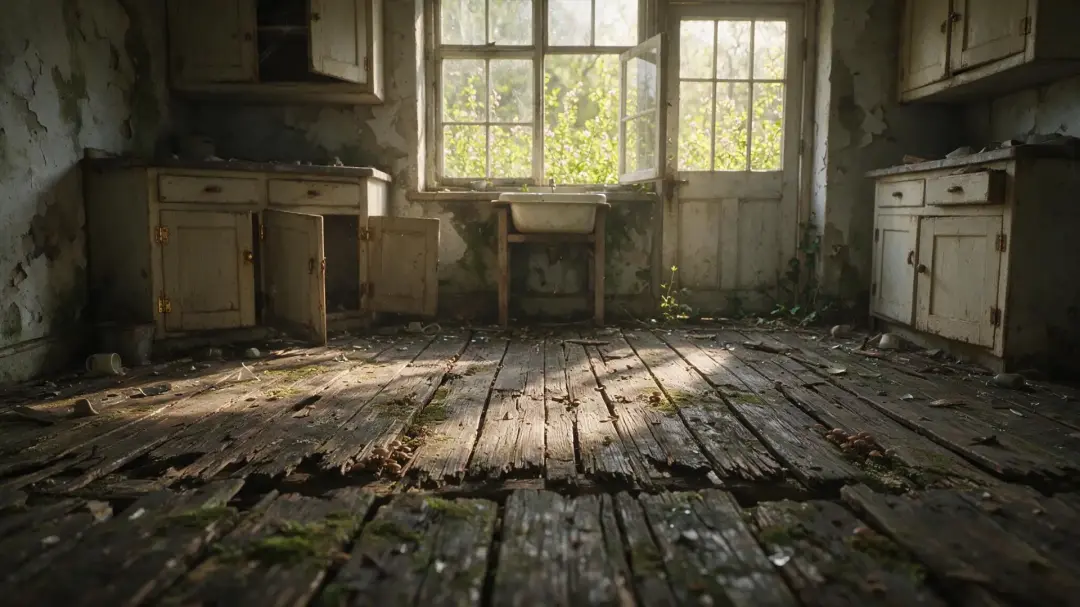
Read our related guides for damp, timber and property protection:
Recognise the Main Signs of Woodworm
Woodworm damage can look different depending on the beetle species, how long the timber has been affected and whether the infestation is still active.
The most useful signs are considered together rather than in isolation.
Look for Exit Holes
Small round or oval holes in timber are where adult beetles have emerged. Hole size and shape can help with identification, but old holes may remain long after activity has stopped.
Check for Fresh Bore Dust
Fine or gritty dust below holes can indicate recent activity. Clean the area and check whether fresh material returns before drawing conclusions.
Inspect Timber Strength
Heavily affected timber can become weakened, crumbly or hollow in places. Structural timber that feels soft or has lost a large amount of material should be assessed by a suitable professional.
Common Wood-Boring Beetles Found in Buildings
The common furniture beetle is one of the species most often linked with woodworm in UK properties. It can attack a range of softwoods and hardwoods, especially the more vulnerable outer sapwood.
Deathwatch beetle is more often associated with older buildings and large hardwood timbers, particularly where wood has been affected by moisture and fungal decay.
Wood-boring weevil is commonly associated with timber that is already damp or decayed. Finding it can therefore point to a wider moisture or rot problem that also needs attention.
House longhorn beetle can cause serious structural damage but has a much more limited UK distribution than common furniture beetle. Correct species identification is important because treatment and risk can differ.
Why Moisture Matters
Damp timber can create conditions that favour some wood-boring insects and can also lead to fungal decay. Moisture problems should therefore be investigated alongside any suspected woodworm.
Check roofs, gutters, plumbing, ventilation, ground levels and other possible sources of water. A leak or long-term condensation problem can keep timber wetter than it should be.
If damaged timber is close to a bathroom, roof leak, cellar, external wall or poorly ventilated void, the moisture source may be as important as the insect treatment itself.
Do not rely on insecticide alone if the timber remains damp. The cause of excess moisture should be corrected so the wood can return to a safer condition.
Older and traditionally built properties may need careful moisture management, especially where original timber, lime-based materials or historic finishes are present.
Arrange a Timber Inspection Before Treatment
A good inspection should confirm whether the damage is active, identify the likely beetle where possible and assess whether the affected timber is still strong enough for its job.
The survey should cover accessible roof timbers, floor voids, joists, boards, stairs and other timber where signs have been found. Nearby areas should also be checked for spread.
Moisture readings can help build a fuller picture, especially where insects are associated with damp or decayed wood. Readings should be considered with the visible condition of the timber.
The surveyor should also look for fungal decay because rot and woodworm can occur in the same area. Repair priorities may change if timber strength has been reduced.
Ask for a clear explanation of the evidence, the areas that need treatment, any timber that needs repair and any moisture problem that must be fixed first.
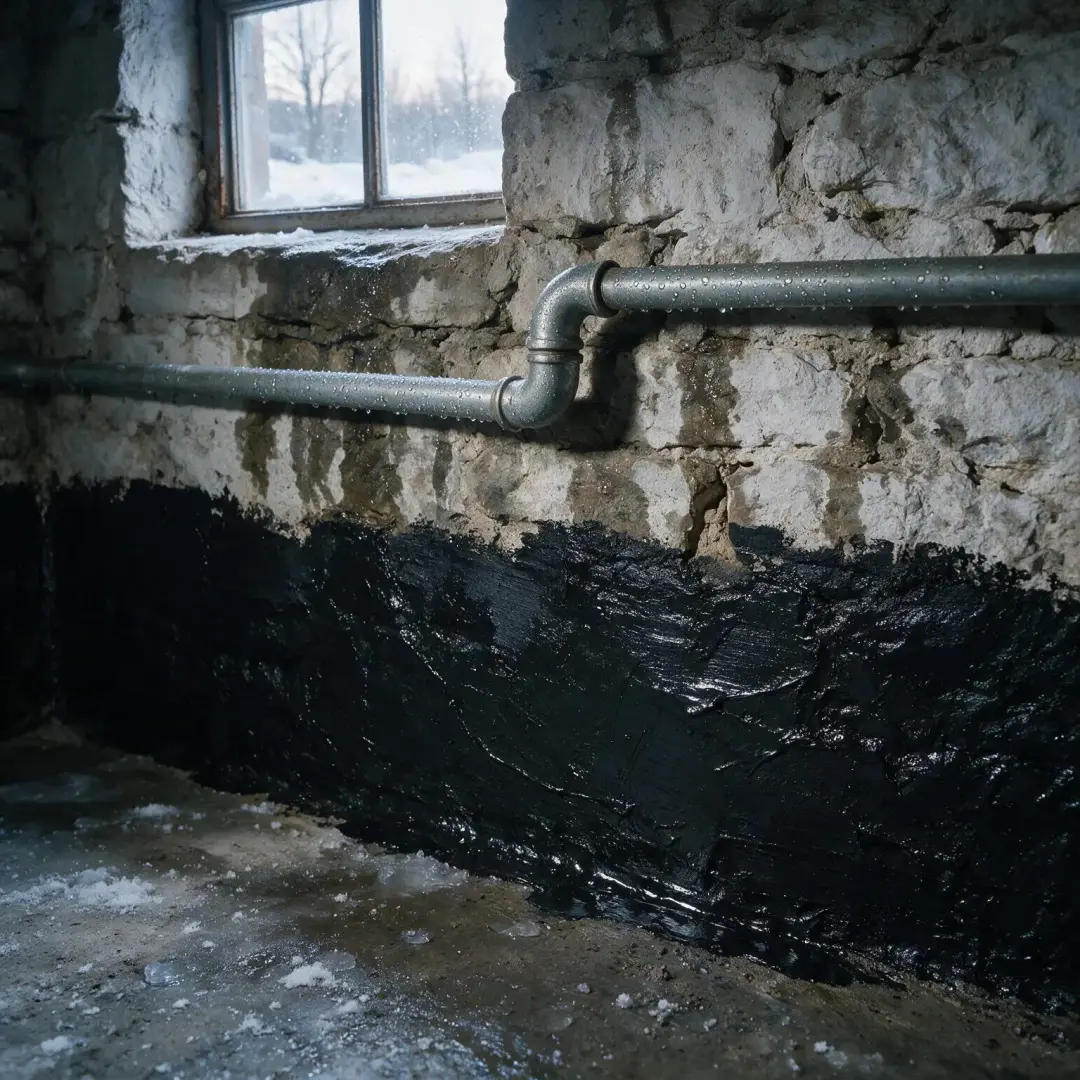
How Woodworm Treatment Works
Where active woodworm is confirmed, treatment often involves applying an approved insecticide to affected and nearby timber. The exact method depends on the beetle species, timber type, access and extent of attack.
Surfaces may need to be cleaned so the treatment can reach the wood properly. Paint, varnish or heavy coatings can limit penetration and may need to be considered before work starts.
Some infestations need more than a simple surface treatment. Heavily affected structural timber may need local repair, strengthening or replacement if its strength has been reduced.
Treatment should follow the product instructions and current safety requirements. Occupants may need to stay away from treated areas for a stated period depending on the product used.
Where the species, activity or extent of damage is uncertain, diagnosis should come before treatment.
When Does Timber Need Replacing?
Woodworm holes do not automatically mean a joist, rafter or floorboard must be replaced. The key issue is how much sound timber remains and whether the member can still carry the loads placed on it.
A professional may probe or inspect the timber to judge the depth and extent of damage. In some cases only a small local section is affected.
Where strength has been seriously reduced, the timber may need repair, reinforcement or replacement. Structural work should be designed to suit the part of the building involved.
Do not remove historic timber simply because it has old holes. In older buildings, retaining sound original material is often preferable where it can be done safely.
If there is any doubt about a load-bearing beam, joist or roof member, seek suitable structural advice before carrying out repairs.
Use Woodworm Treatments Carefully
Woodworm treatment products are pesticides and should only be used where there is a justified need. Follow the label, safety information and any professional guidance supplied with the product.
Do not treat every timber in a building simply because old holes are visible in one area. First establish whether activity is current and which timbers are affected.
Good access and preparation matter. Dirt, coatings and stored items can make it harder to inspect and treat timber properly.
Ventilation may be needed during and after treatment, depending on the product and location. Keep people and animals away as directed by the treatment instructions.
Professional help is sensible where large areas are affected, access is difficult, structural timber is damaged or the beetle species is uncertain.
Woodworm in Older and Historic Buildings
Older buildings often contain large original timbers that have been exposed to changing moisture levels over many years. Old woodworm holes can therefore be common without proving there is a current infestation.
Historic England advises understanding why timber damage has occurred before deciding on treatment. In some cases, controlling moisture and improving conditions can reduce the need for widespread chemical treatment.
Avoid unnecessary removal of old timber. A beam with historic surface damage may still have a sound core and remain suitable for use.
Check for roof leaks, blocked rainwater goods, damp walls, poor ventilation and earlier repairs that may have trapped moisture around the timber.
For listed, historic or traditionally built properties, use a surveyor or contractor who understands older construction and can recommend proportionate repairs.
- New or clean-looking exit holes
- Fresh bore dust below or around holes
- Live adult beetles near affected timber
- Weak, crumbly or heavily tunnelled wood
- Damage spreading into nearby timber
- Damp or decayed timber around the affected area
- Repeated fresh dust after the area has been cleaned
- Damage to structural joists, beams or roof timbers
These signs can point towards active woodworm, but no single sign proves the full extent of an infestation. Species, age of damage and timber condition all need to be considered.
If the problem is widespread, structural timber is affected or fresh activity continues, arrange a detailed timber inspection before paying for major treatment or replacement work.
What Happens During a Woodworm Survey?
A woodworm survey should begin with a visual inspection of the affected timber and nearby areas. The aim is to identify the insect, judge whether activity is current and assess damage.
The inspection should consider the age and type of timber, hole size and shape, fresh dust, live insects, moisture levels, signs of rot and any building faults that may be keeping the wood damp.
Moisture readings can be useful, but they should not be treated as proof of woodworm on their own. They are part of the wider assessment.
Ask the surveyor to explain which evidence shows active infestation, which areas need treatment, and whether any repair or moisture-control work should happen first.
For older buildings, choose someone with experience of historic timber so sound original material is not removed or treated unnecessarily.
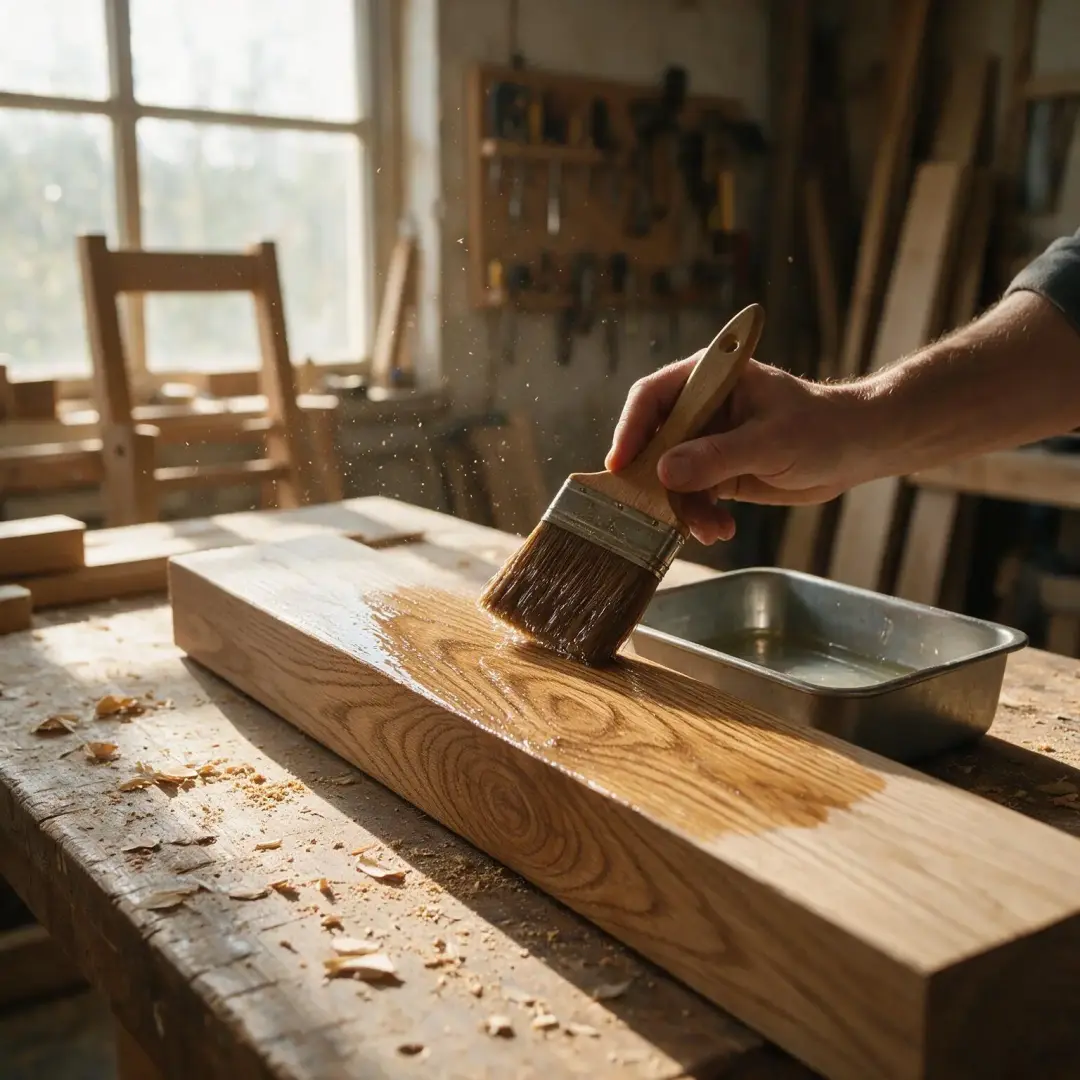
Prevent Woodworm from Returning
Long-term prevention is mainly about keeping timber dry, well maintained and easy to inspect. This makes the building less favourable to insects linked with damp or decayed wood.
Repair roof, gutter, plumbing and drainage leaks promptly. Keep roof spaces and sub-floor areas ventilated where the building design requires airflow.
Do not block air bricks or vents with stored items, soil or later building work. Poor airflow can allow moisture to remain around timber for longer.
Inspect exposed structural timber from time to time for fresh dust, new holes, soft areas or signs of water entry.
After leaks, floods or major building work, check that timber is drying properly and that new moisture traps have not been created.
What Should You Do if You Find Woodworm?
Start by photographing the affected area and cleaning away loose dust so you can see whether fresh material appears later. Avoid sanding or covering the timber before it has been assessed.
Look for fresh holes, beetles, dust, dampness and signs of rot. Check nearby timber where it is safe and accessible.
Do not assume every old hole needs chemical treatment. Historic holes can remain visible for decades after beetles have gone.
Arrange professional advice when the species is unclear, activity appears current, structural timber is affected or the damaged area is difficult to inspect.
Once the cause and extent are known, treatment can be matched to the problem. This may include moisture repairs, insecticide treatment and, where necessary, structural timber repair.
Follow the links below to view related property treatment and survey services for homes and businesses throughout Bedford, Luton, Bedfordshire or Buckinghamshire:

Rising Damp Treatment
A professional survey can identify whether moisture is rising from the ground or coming from another source. The findings help guide the correct treatment.
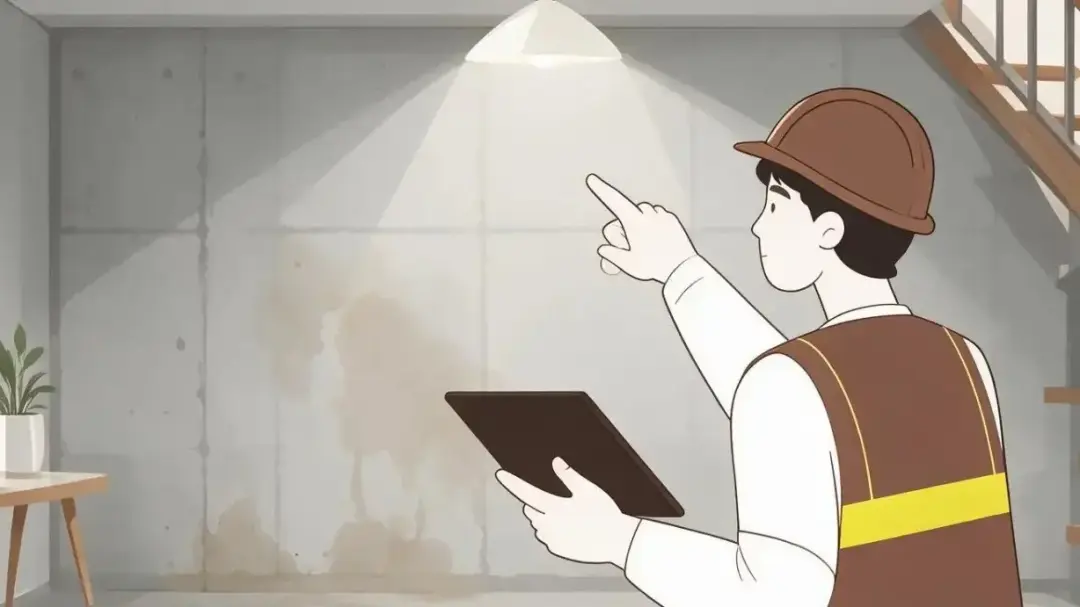
Cellar Tanking
Cellar tanking helps keep basements dry by creating a waterproof barrier that stops moisture from entering through walls and floors.

Timber Treatment
Our timber treatment service protects wooden parts of a property from rot, damp and insect damage, helping them stay strong and last longer.
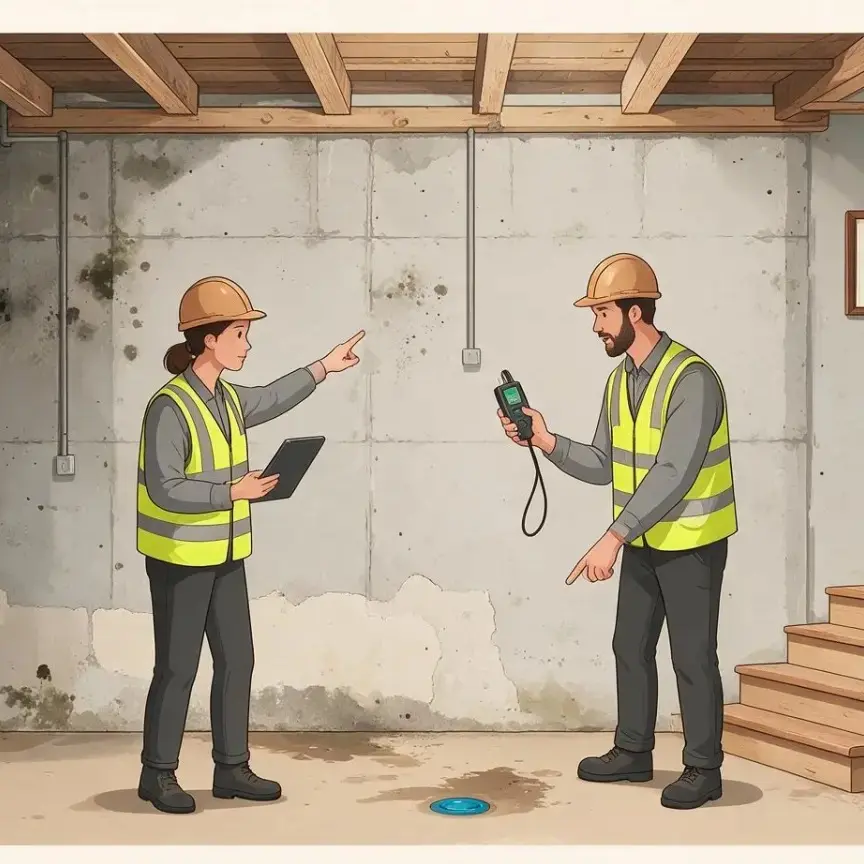
Damp Proof Course Installation
Damp proof course installation helps protect a property from unwanted moisture and the damage it can cause.
Basement Conversions
Basement conversions turn unused lower-ground spaces into dry, practical rooms for living, working or storage.
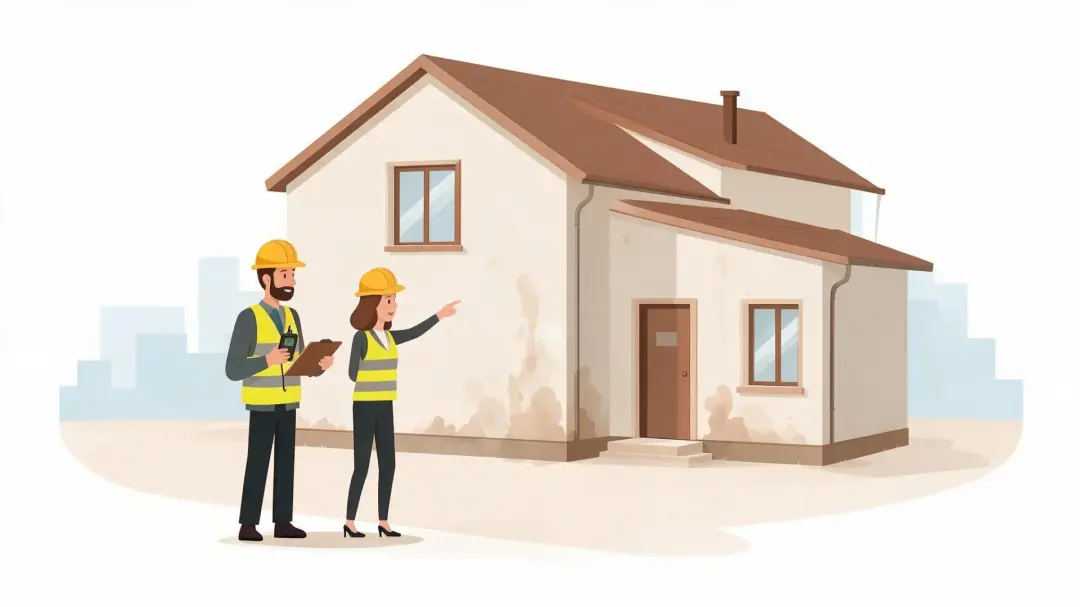
Damp Surveys
Damp surveys identify moisture problems, their likely causes and the treatment needed.
Frequently Asked Questions
```Does Every Woodworm Hole Mean Active Infestation?
No. Exit holes can remain in timber long after the beetles have gone. Fresh dust, new holes, live beetles and other evidence are needed to judge whether activity is current.
What Does Active Woodworm Look Like?
Possible signs include fresh pale holes, new bore dust below the timber and adult beetles emerging nearby. The exact signs vary by species, so identification is important.
Can I Treat Woodworm Myself?
Some approved products are sold for domestic use, but treatment should only follow a proper diagnosis and the product instructions. Large areas, structural timber or uncertain species are better assessed professionally.
Will Woodworm Go Away if the Timber Dries Out?
Drying timber and fixing moisture problems can make conditions less suitable for some insects, but an active infestation may still need treatment. The correct action depends on the species and the stage of attack.
How Can You Prevent Woodworm Problems?
Keep timber as dry as the building allows by repairing leaks and controlling sources of persistent moisture.
Maintain roofs, gutters, downpipes and plumbing so water does not reach structural wood. Keep designed ventilation openings clear.
Check lofts, floor voids, cellars and other less-used areas for fresh dust, new holes, rot or water staining.
Avoid unnecessary chemical treatment of sound timber where there is no evidence of active infestation. Correct diagnosis should come first.
Pay particular attention after leaks, floods or building work because changes in moisture and ventilation can affect timber conditions.
If new activity is found, arrange a suitable survey. Early identification, moisture control and targeted treatment can help limit damage and avoid unnecessary replacement.
Good property maintenance can help protect timber from moisture, decay and wood-boring insects. Aquafoss recommends checking suspicious damage properly before treatment and dealing with leaks or damp conditions that may be contributing to the problem.
Complete the form below to arrange a timber or damp inspection for homes and businesses throughout Bedfordshire, Buckinghamshire and the surrounding areas.