Whole house heat recovery provides planned ventilation throughout a home while keeping much of the warmth that would otherwise leave with stale air. It can help control condensation, indoor moisture and stale air when it is designed, installed and maintained correctly.
A whole house system is most effective in a reasonably airtight property. It should be treated as part of the home rather than as a simple extractor fan, because the unit, ducts, air valves and controls all need to work together.
What Is Whole House Heat Recovery?
Whole house heat recovery is a form of mechanical ventilation that removes stale, moist air from rooms such as kitchens and bathrooms and supplies fresh outside air to rooms such as bedrooms and living rooms.
Inside the main unit, the outgoing and incoming air streams pass through a heat exchanger. Heat from the outgoing air is transferred to the incoming fresh air without mixing the two air streams.
The aim is to provide steady ventilation with less heat loss than opening windows or using extract ventilation alone. The system does not normally heat the home by itself, so a separate heating system is still required.
Why Good Ventilation Matters in England
The English Housing Survey found that 1.4 million homes in England, or 5%, had a significant damp problem in 2024.
In the 2024 to 2025 household survey, 7.7 million households, or 31%, reported condensation, damp or mould in their home.
Among households that reported these problems, 83% said they opened windows, 42% used extractor fans and 20% used trickle vents as ways to deal with damp and condensation.
The same survey found that 142,000 households, or 0.6%, lived in homes with the most serious Category 1 damp and mould hazards.
- 1.4 million homes in England had a significant damp problem in 2024
- 31% of households reported condensation, damp or mould in 2024 to 2025
- 83% of affected households said they opened windows to deal with the problem
- 42% used extractor fans and 20% used trickle vents
- Many whole house heat recovery systems can recover around 80% to 90% of heat from outgoing air
These figures do not mean that every damp home needs whole house heat recovery. Damp can come from leaks, rainwater, ground moisture or building defects, and those causes need their own repairs.
They do show why planned ventilation matters. A correctly designed system can remove everyday moisture from cooking, washing, drying clothes and breathing before it builds up on colder surfaces.
How Does Whole House Heat Recovery Work?
The system runs continuously at a low background rate. Stale air is normally extracted from kitchens, bathrooms, shower rooms and other areas where moisture and smells are produced.
At the same time, fresh outside air is drawn into the main unit, filtered and passed through the heat exchanger. The recovered warmth helps raise the temperature of the incoming air before it reaches living rooms and bedrooms.
Most systems also have a higher setting for times when more moisture is being produced, such as during cooking or showering. Some units include an automatic summer bypass so incoming air does not receive unwanted recovered heat during suitable warmer conditions.
For the system to work well, air must be able to move through the home between supply rooms and extract rooms, usually through suitable gaps beneath internal doors or other planned transfer routes.
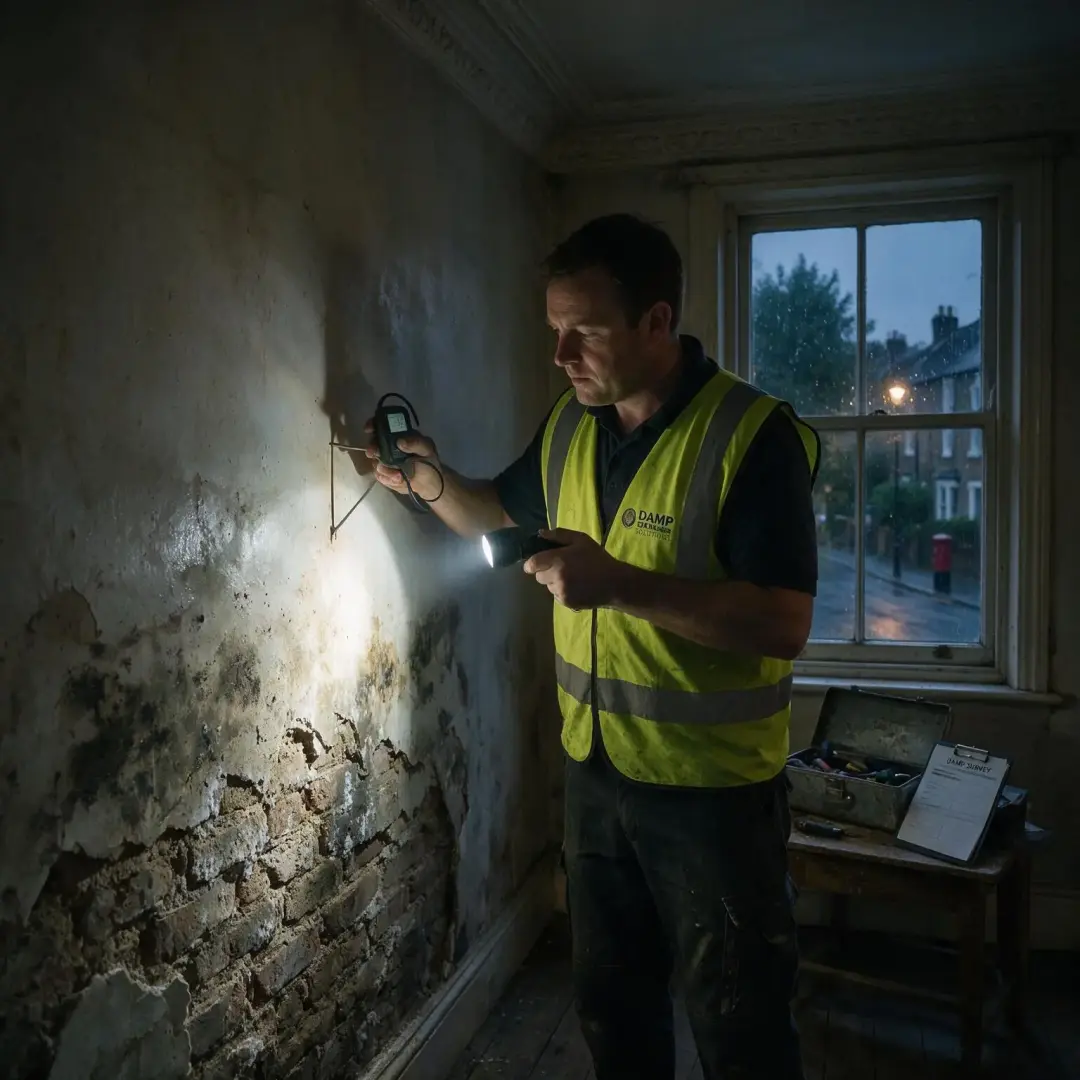
Read our related guides for ventilation, damp and moisture problems:
What Are the Main Parts of the System?
The main unit contains fans, filters and the heat exchanger. It needs a suitable position with safe access for filter changes, servicing and drainage where required.
Ducts carry fresh and stale air around the property. Their size, route, insulation and airtightness affect noise, air flow and overall performance.
The Heat Recovery Unit
Room valves control where air enters and leaves. Their final settings should be adjusted during commissioning so each room receives the intended air flow.
The Ductwork
Render or internal plaster can sometimes extend across the damp-proof course and create a path for moisture.
Supply and Extract Valves
Debris within a cavity wall can also allow moisture to cross from the outer wall to the inner wall. A suitable survey may be needed to confirm this.
Where Is Air Supplied and Extracted?
Fresh air is normally supplied to bedrooms, living rooms and other main occupied spaces. These rooms benefit from a regular supply of filtered outside air.
Stale air is normally extracted from kitchens, bathrooms, shower rooms, utility rooms and other wet areas. This helps remove moisture and smells close to where they are produced.
The exact layout depends on the size and shape of the property. A system should be designed for the whole dwelling rather than by adding separate fans without considering how air moves between rooms.
Internal doors and transfer paths matter. If air cannot move from supply rooms towards extract rooms, the system may become noisy or fail to ventilate some areas properly.
How Much Heat Can Be Recovered?
Current council retrofit guidance states that whole house heat recovery systems commonly recover around 80% to 90% of the heat from outgoing air. The exact result depends on the unit, ductwork, air flow, installation and operating conditions.
Heat recovery reduces the amount of warmth lost through planned ventilation, but it does not remove all ventilation heat loss. The fans also use electricity, so overall performance depends on both heat recovery and electrical use.
A highly efficient unit can still perform poorly if ducts leak, run through cold spaces without suitable insulation or are restricted by sharp bends and poor layout.
For this reason, choosing a suitable product is only one part of the job. Good design, careful installation and correct commissioning are equally important.
Whole house heat recovery should be viewed as a ventilation system that can save heat, not as a replacement for the property heating system.
Can Heat Recovery Help with Condensation and Mould?
It can help where condensation is being caused or made worse by high indoor humidity and poor ventilation. Continuous extraction removes moist air before it has as much chance to collect on cold windows, walls and other surfaces.
The system is particularly useful in more airtight homes where uncontrolled air leakage has been reduced through insulation, draught proofing or refurbishment.
However, ventilation works best when the building is also heated reasonably and obvious sources of excess moisture are controlled. Very cold surfaces can still attract condensation even when ventilation is improved.
Visible mould should not simply be cleaned and ignored. Check why the surface is staying damp and whether the ventilation system is delivering the correct air flow.
If mould returns after ventilation improvements, investigate leaks, cold bridging, insulation gaps and other building faults.
Whole House Heat Recovery Does Not Fix Every Damp Problem
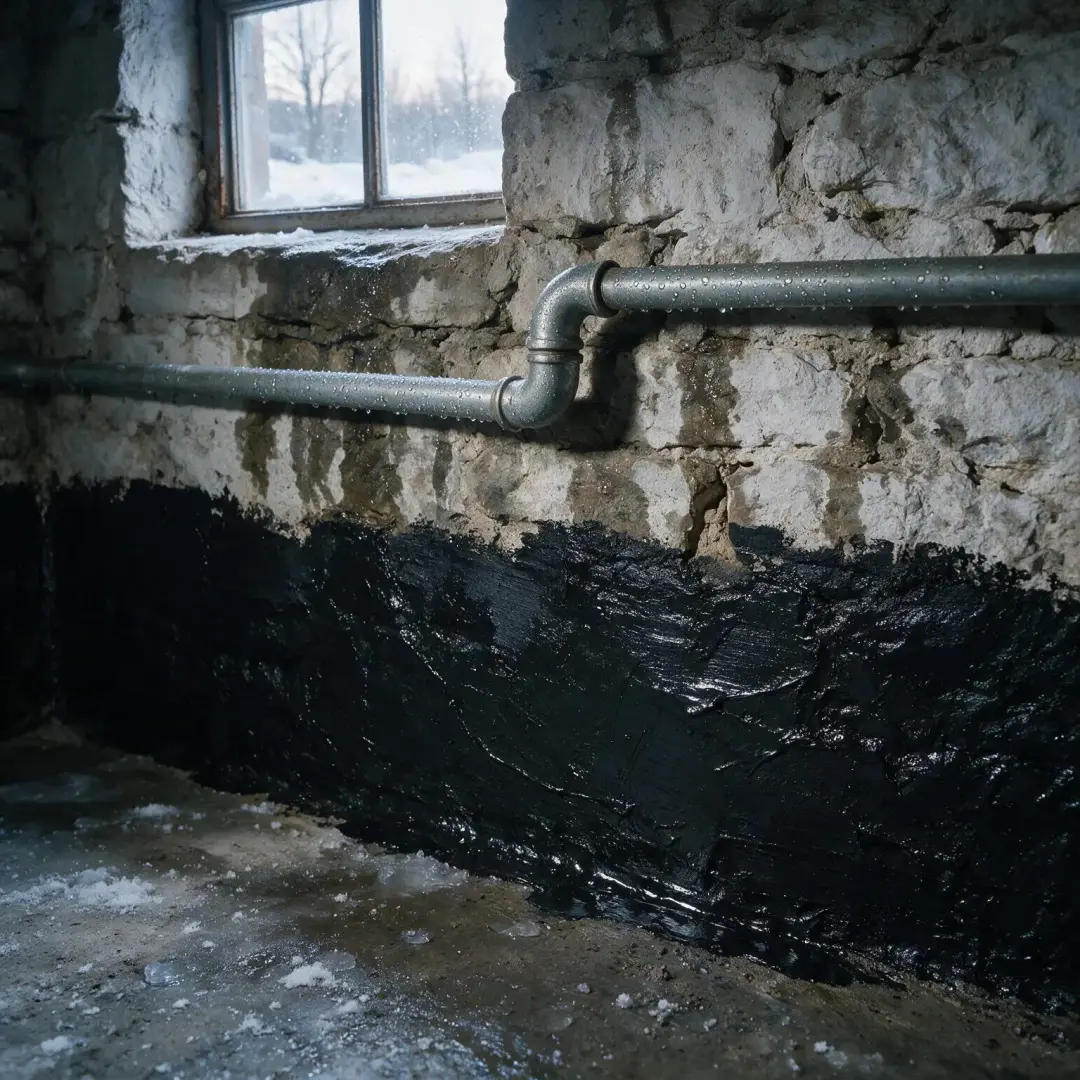
Whole house heat recovery deals with indoor air and moisture. It does not stop water entering through a damaged roof, leaking pipe, cracked wall, failed drainage system or high outside ground level.
It also does not create a damp-proof course or waterproof a basement. If the source of moisture is structural or comes from the ground, that fault needs to be identified and repaired separately.
This distinction matters because a damp wall may have more than one cause. Better ventilation can reduce condensation while a leak or other defect continues to keep part of the building wet.
Before paying for a whole house system purely to solve damp, arrange a suitable assessment of the property and the likely moisture sources.
A correct diagnosis helps prevent money being spent on a ventilation system when the main problem needs a different repair.
Is Whole House Heat Recovery Suitable for Existing Homes?
It can be installed in an existing home, but fitting the ductwork can be disruptive. The system is often easier to add during a major refurbishment when ceilings, floors or service areas are already being opened.
The property should be reasonably airtight for heat recovery to provide its full benefit. In a very draughty building, large amounts of uncontrolled air may still enter and leave through gaps, reducing the value of the planned system.
Space is needed for the main unit, ducts, outside terminals and access for maintenance. The best route will depend on the property layout and whether there is a loft, service void, cupboard or other suitable area.
Older or traditionally built homes may need extra care. Improving airtightness, insulation and ventilation should be planned together so moisture is not trapped in parts of the building that need to dry naturally.
A survey can help decide whether a full whole house system is suitable or whether a simpler ventilation approach would be more practical.
Why Airtightness and Ventilation Must Be Planned Together
Energy improvements often reduce unwanted draughts. That can make a home warmer and more efficient, but it also means there may be less accidental ventilation through gaps and cracks.
A planned ventilation system replaces this uncontrolled air movement with a measured supply of fresh air and extraction of stale air.
Whole house heat recovery works best when the building fabric is reasonably airtight and the intended air routes are clear. Large uncontrolled leaks can reduce heat recovery and make air flow harder to balance.
Do not seal vents, block air paths or carry out major draught proofing without considering how the home will be ventilated afterwards.
When insulation, windows and airtightness are being upgraded together, ventilation should be included in the design from the start.
What Should Be Considered Before Installation?
Start with the whole property. Consider the number and use of rooms, likely occupancy, sources of moisture, the level of airtightness and the available routes for ductwork.
Choose a main unit that can provide the required air flow without needing to run at its highest setting during normal use. This can help control noise and electrical use.
Plan outside intake and exhaust points carefully so stale exhaust air is not drawn straight back into the fresh air intake.
Ducts passing through cold spaces may need suitable insulation to reduce heat loss and condensation risk. The unit itself also needs safe access for filters and servicing.
The completed system should be tested and adjusted rather than left at factory settings. Correct commissioning confirms that the intended air flow reaches each room.
- A suitable location for the main heat recovery unit
- Enough space for supply and extract ductwork
- A clear route for fresh air intake and stale air exhaust
- Access for future filter changes and servicing
- Suitable insulation where ducts pass through cold spaces
- Air transfer paths between rooms
- Controls that occupants can understand and use
- Testing and balancing after installation
The system should be designed before work starts. Trying to find duct routes after ceilings and finishes are complete can lead to longer routes, extra bends and more noise.
Ask how the unit will be accessed, how filters will be changed and how the air flow will be tested. These practical points affect how well the system performs for years after installation.
Commissioning and Balancing Are Essential
A newly installed system should be checked, tested and balanced so that supply and extract rates match the design for the property.
The installer should measure air flow at the room valves rather than relying only on the settings shown on the main unit.
Poorly balanced systems may be noisy, remove too little moisture or use more electricity than necessary because the fans are working harder than intended.
The householder should also be shown the normal setting, the higher setting for extra moisture, how to change filters and which parts should not be adjusted without advice.
Keep the commissioning information with the property records so future servicing can compare actual performance with the original design.
How Do You Maintain a Whole House Heat Recovery System?
Filters need regular checks and replacement or cleaning in line with the unit manufacturer instructions. Dirty filters can restrict air flow and make the fans work harder.
Keep outside intake and exhaust grilles clear of leaves, dust, nesting material and other blockages. Do not cover internal room valves with furniture or decorations.
Listen for new rattles, whistling or unusually loud fan noise. A change in sound can indicate a dirty filter, blocked duct, loose part or altered air flow.
The heat recovery unit and ducts may also need periodic professional inspection, especially if performance drops or there are signs of moisture around the system.
After maintenance, avoid changing the position of balanced room valves unless the system is checked again.
What About Running Costs and Energy Use?
Whole house heat recovery uses electricity to run its fans continuously. The actual cost depends on the unit, fan settings, system resistance, electricity price and how the property is used.
The benefit is that much of the heat in outgoing ventilation air can be transferred to the incoming fresh air. In a suitable airtight home, this can reduce the heat that the heating system needs to replace.
Do not judge a system only by its stated heat recovery figure. Fan power, duct layout, maintenance and commissioning also affect the real result.
Running the system continuously at the intended background rate is normally important for moisture control. Switching it off for long periods can reduce ventilation and allow humidity to rise.
If running costs seem unusually high, have the filters, fan settings, ductwork and measured air flow checked before assuming the system itself is unsuitable.
Follow the links below for related damp and property services throughout Bedford, Luton, Bedfordshire or Buckinghamshire:

Rising Damp Treatment
A professional survey can identify whether moisture is rising from the ground or coming from another source. The findings help guide the correct treatment.

Cellar Tanking
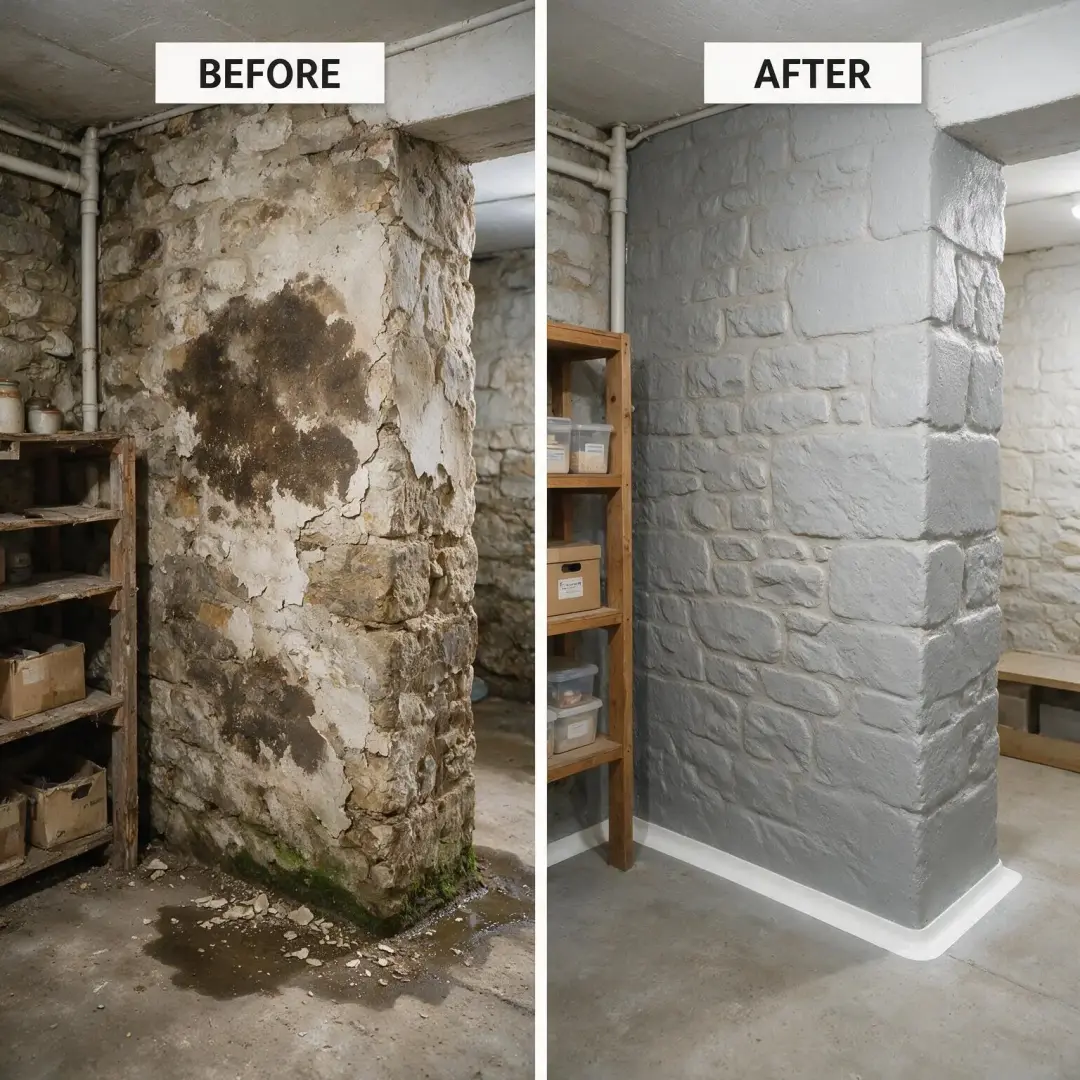
Cellar tanking helps keep basements dry by creating a waterproof barrier that stops moisture from entering through walls and floors.

Timber Treatment
Our timber treatment service protects wooden parts of a property from rot, damp and insect damage, helping them stay strong and last longer.
Damp Proof Course Installation
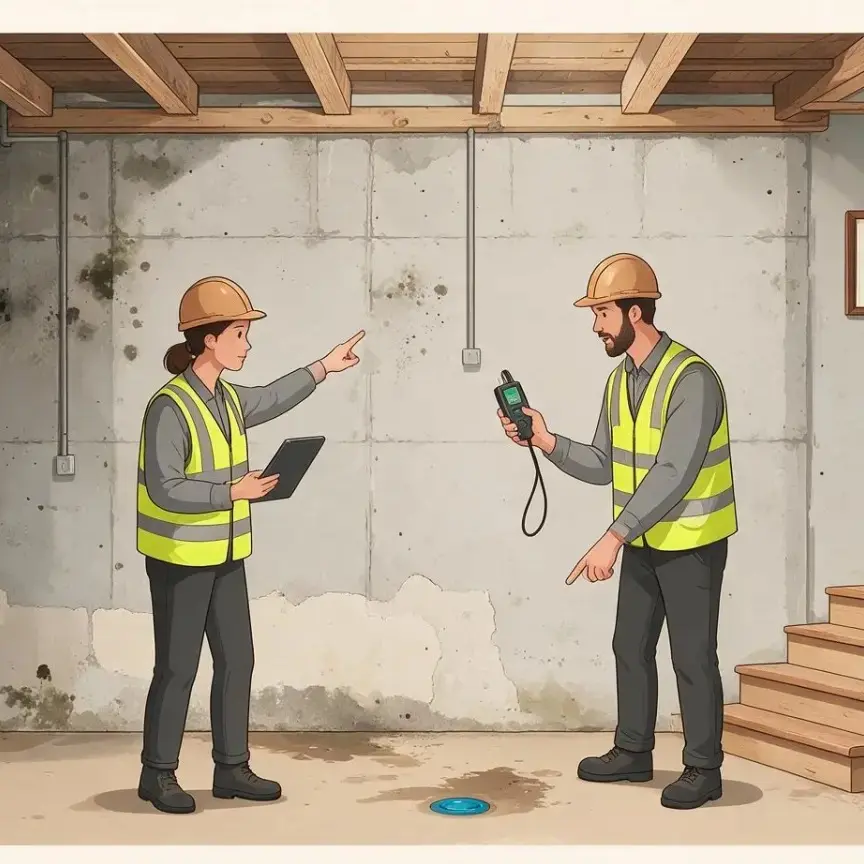
Damp proof course installation helps protect a property from unwanted moisture and the damage it can cause.

Basement Conversions
Basement conversions turn unused lower-ground spaces into dry, practical rooms for living, working or storage.

Damp Surveys
Damp surveys identify moisture problems, their likely causes and the treatment needed.
Frequently Asked Questions
Does Whole House Heat Recovery Heat the House?
No. The system recovers heat from outgoing air and uses it to warm incoming fresh air, but it is not normally the main heating system for the property.
Should the System Run All the Time?
Whole house heat recovery is normally designed to run continuously at a low background rate, with a higher setting when extra moisture or smells need to be removed.
Can You Open Windows with Heat Recovery?
Yes. Windows can still be opened. However, frequent window opening during cold weather can reduce the heat-saving benefit because that air bypasses the heat exchanger.
Can Heat Recovery Stop Mould?
It can reduce the risk of surface condensation and mould caused by high indoor humidity, but it cannot repair leaks, water penetration, insulation defects or other building problems that keep surfaces damp.
Is Whole House Heat Recovery Right for Your Home?
Whole house heat recovery is most suitable where the home is reasonably airtight and there is space to install a complete ducted system.
It can be particularly useful in new homes and major refurbishments where insulation, airtightness and ventilation can be designed together.
For an existing property, consider how disruptive the ductwork will be and whether a simpler ventilation system could meet the need more easily.
If the main concern is damp or mould, first check for leaks, rainwater problems, rising damp, penetrating damp and very cold surfaces. Ventilation is only one part of moisture control.
Ask for a clear design showing air flow rates, duct routes, unit location, controls and maintenance access before installation begins.
A well-designed, commissioned and maintained system can provide steady fresh air while reducing the amount of heat lost through ventilation.
Whole house heat recovery can support a healthier indoor environment by providing continuous planned ventilation and recovering useful warmth from outgoing air. Aquafoss recommends checking the cause of any damp or mould first so ventilation improvements are matched to the needs of the property.
Complete the form below to arrange a damp survey or property inspection for homes and businesses throughout Bedfordshire, Buckinghamshire and the surrounding areas.